Protein and Daily Energy Maintenance
Understanding protein's structural and metabolic roles in supporting daily energy dynamics.
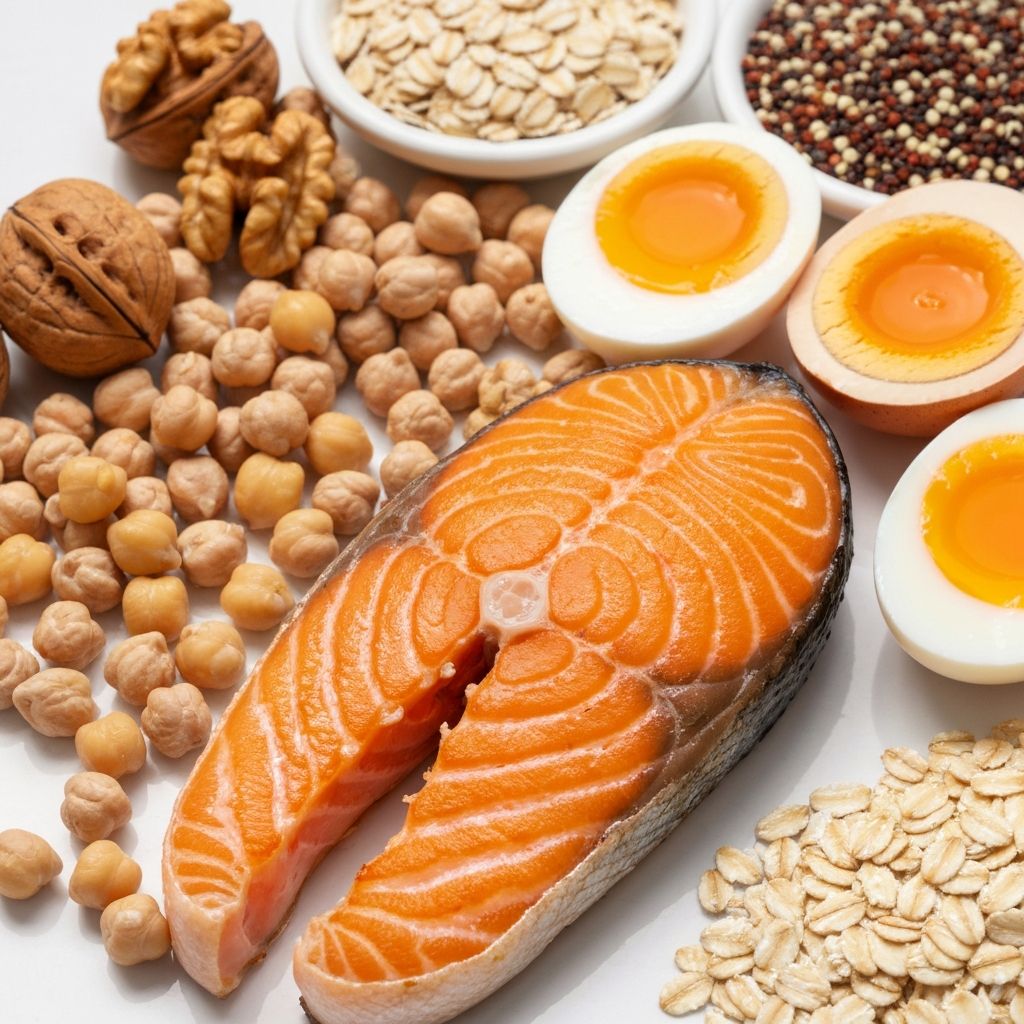
Understanding protein's structural and metabolic roles in supporting daily energy dynamics.
Proteins are large molecules composed of amino acids—the building blocks of life. There are 20 amino acids total: 9 are essential, meaning your body cannot synthesise them and must obtain them from food. The remaining 11 are non-essential; your body can produce them from other compounds.
Proteins serve multiple functions: building and repairing tissues, producing enzymes and hormones, supporting immune function, and maintaining fluid balance. Beyond structure, protein affects how your body manages daily energy through various metabolic mechanisms.
Protein is unique among macronutrients in its thermic effect—the energy cost of digestion and processing. Roughly 20–30% of calories consumed as protein are expended in digestion, compared to 5–10% for carbohydrates and 0–3% for fats. This means your body uses more energy to process protein than other nutrients.
Protein also supports metabolic rate through muscle maintenance. Muscle tissue is metabolically active, consuming energy at rest. Adequate protein intake helps preserve muscle mass, particularly important for maintaining metabolic efficiency across the lifespan.
Protein is the most satiating macronutrient. It promotes fullness through multiple mechanisms: it expands in the stomach, triggers satiety hormones (peptide YY and GLP-1), and slows gastric emptying. This means protein intake often results in greater perceived fullness compared to equivalent calories from carbohydrates or fats.
Because protein increases satiety, adequate intake may support more consistent energy intake throughout the day—avoiding extreme hunger and excessive snacking. Individual satiety responses vary considerably based on genetics, habit, and prior diet history.
Global populations consume protein from diverse sources: animal products (meat, fish, dairy, eggs), plant-based sources (legumes, nuts, seeds, grains), and supplemental forms (powders, isolates). The adequacy of protein intake varies widely across regions based on availability, economic factors, and cultural practices.
Research suggests that distributed protein intake throughout the day—rather than concentrated at one meal—may support muscle protein synthesis more effectively. However, individual variation in protein needs is substantial, influenced by age, activity level, and metabolic efficiency.
Different protein sources contain varying amino acid profiles. Animal proteins typically contain all essential amino acids in adequate proportions (complete proteins), while many plant proteins are lower in one or more essential amino acids. Complementary plant proteins—combining legumes with grains, for example—provide complete amino acid profiles.
Some amino acids play specific metabolic roles: branched-chain amino acids (leucine, isoleucine, valine) are particularly important for muscle protein synthesis; tyrosine and phenylalanine support neurotransmitter production. A varied protein intake ensures comprehensive amino acid coverage.
Protein intake influences hormone levels relevant to energy regulation. Adequate protein consumption supports stable blood glucose (through slower digestion), may help maintain stable cortisol levels, and promotes satiety hormones. These hormonal effects indirectly support energy homeostasis.
Insufficient protein intake can contribute to muscle loss, reduced satiety, and metabolic inefficiency. Conversely, very high protein intake does not necessarily enhance energy benefit and may place unnecessary stress on renal systems in susceptible individuals.
Consuming protein across meals (vs concentrated at one meal) may support more consistent protein synthesis. However, total daily intake matters more than specific timing for most individuals.
Combining animal and plant proteins provides diverse nutrient profiles. Different sources offer varying micronutrients, fibre, and phytochemical diversity.
Protein needs vary based on age, activity level, and health status. More active or aging populations may require higher intakes for optimal maintenance.
Cooking, processing, and food combinations affect protein digestibility. Whole foods generally offer good digestibility alongside other beneficial compounds.
This article provides general educational information about protein's role in metabolism and daily energy dynamics. It does not constitute medical advice or personalised recommendations. Protein needs vary based on individual circumstances. For specific dietary concerns or health conditions, consult qualified healthcare professionals or registered dietitians.
Explore other articles on nutrients, lifestyle factors, and energy dynamics.
Discover More